

Active Engineering
3K Carbon Fiber Matrix vs. Aluminum Side Plates
Examining how woven carbon composite side guards reduce total transport weight down to 7.2kg while increasing vibration dampening.


Technical deep dives into active rigid geometry, lightweight metallurgy, medical MDR regulations, and airline travel guidelines.

An in-depth metallurgical analysis comparing tensile yield stress, energy transfer efficiency, and fatigue resistance in modern rigid wheelchair fabrication.
Examining how woven carbon composite side guards reduce total transport weight down to 7.2kg while increasing vibration dampening.

A step-by-step checklist for flying internationally with lithium-ion power assist modules under IATA dangerous goods regulations.

How 0°, 3°, and 6° wheel camber selections impact turning efficiency, door clearance, and long-term rotator cuff preservation.

When selecting a high-performance active rigid wheelchair frame, material selection directly impacts energy transfer, frame longevity, and daily propulsion effort. While titanium has historically held a reputation in custom mobility, modern cold-drawn 7020 Aluminum alloy has established itself as the gold standard for high-rigidity active frames.
7020 Aluminum is a zinc-magnesium alloy engineered specifically for high-stress structural applications. Unlike standard 6061 aluminum, 7020 exhibits superior ultimate tensile strength (up to 350 MPa) and artificial age-hardening properties after welding. This allows engineers to utilize thinner wall tubing without risking frame fatigue or flex under heavy exertion.
Clinical Fact: Frame flex equals lost propulsion energy. Every millimeter of frame flex absorbs mechanical force that should otherwise move the wheelchair forward. 7020 aluminum delivers maximum power transfer per stroke.

By combining 7020 cold-drawn main frame tubes with 3K carbon fiber matrix side guards and footplates, active rigid frames can achieve transport weights (without rear wheels) as low as 7.2 kg. This dramatic weight reduction simplifies daily vehicle transfers and reduces strain on upper extremity joints during loading.
All 7020 frame assemblies undergo rigorous multi-axis dynamic stress testing in accordance with MDR Regulation (EU) 2017/745 standards. This guarantees structural integrity under extreme load scenarios and long-term daily operation.

In active rigid wheelchair design, reducing unsprung weight while maximizing structural durability is an ongoing engineering challenge. Side guards serve a vital functional role: preventing clothing contact with rear tires and guiding lateral body position during tight turns.
Replacing traditional 2mm aluminum side plates with autoclave-cured 3K carbon fiber composite matrix components yields a 45% reduction in side panel mass without compromising lateral rigidity.
Unlike metallic alloys which transmit high-frequency road vibrations directly into the wheelchair frame, carbon fiber composite matrices absorb environmental chatter. The resin-bonded carbon filaments dissipate micro-vibrations caused by uneven pavement and cobblestones.
Thermal Comfort: Aluminum side guards rapidly absorb ambient cold during winter months. Carbon fiber composite maintains a stable surface temperature, ensuring daily tactile comfort.
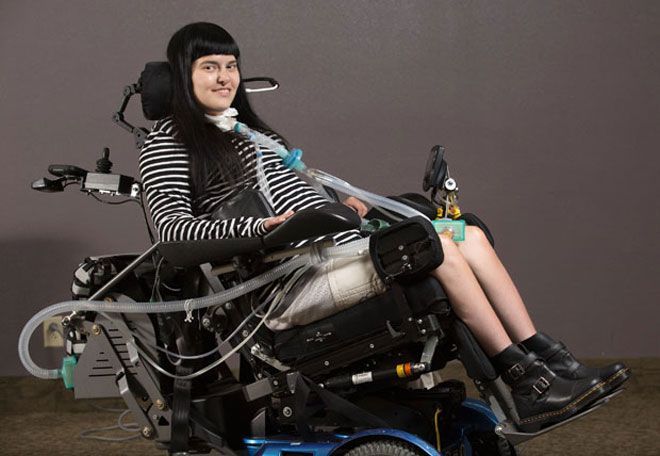

Navigating commercial air travel with power-assist wheelchair attachments requires clear understanding of IATA Dangerous Goods Regulations. Lithium-ion battery packs utilized in power-assist drives are subject to strict watt-hour limits when placed in passenger aircraft cabins.
Under international IATA provisions, passengers are permitted to carry one power-assist lithium battery up to 300 Watt-hours (Wh), or two spare batteries up to 160Wh each in their carry-on luggage. The battery must be detached from the wheelchair frame prior to loading the chassis into the hold.
Travel Tip: Never place your power-assist lithium battery in checked baggage. Batteries must always remain in the passenger cabin in a protective travel pouch.

Rear wheel camber refers to the inward angle of the main drive wheels relative to the vertical plane. Selecting the correct camber angle is critical for balancing turning responsiveness with doorway accessibility and rotator cuff ergonomic protection.
0° Camber: Provides the narrowest overall width. Ideal for extremely tight indoor environments and narrow door frames, though offers less lateral stability.
3° Camber (Recommended): The optimal hybrid configuration for active manual users. Brings the top of the handrims closer to the shoulders, reducing rotator cuff abduction strain during high-frequency pushing.
6° Camber: Maximizes high-speed turning stability and protects hands from side wall impacts, but increases overall wheelchair footprint.
Ergonomic Insight: A 3° camber angle places upper arms in a more neutral anatomical alignment, significantly lowering the risk of repetitive shoulder strain injury (RSI).